
"non-washed coffee"
500 article(s) found
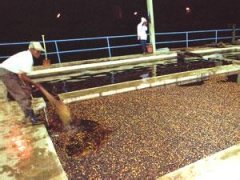
Introduction of water washing method for the treatment of raw coffee beans
Coffee washing began in the mid-18th century. In the washing process, the pulp of the coffee fruit (red cherry) is first removed, then the residual mucous membrane on the inner pericarp is removed by a fermentation tank, and the beans are washed and dried. The difference between the non-washing method and the water washing method is that the non-washing method is to remove the pulp after drying, while the washing method is to remove the pulp before drying. Washing can pass every step.

Introduction of water washing method for the treatment of high-quality coffee and raw beans
Coffee washing began in the mid-18th century. In the washing process, the pulp of the coffee fruit (red cherry) is first removed, then the residual mucous membrane on the inner pericarp is removed by a fermentation tank, and the beans are washed and dried. The difference between the non-washing method and the water washing method is that the non-washing method is to remove the pulp after drying, while the washing method is to remove the pulp before drying. Washing can pass every step.

Purification of coffee beans semi-washing coffee bean treatment
Semi-washing type is a mixture of drying type and water washing type, and it is also a compromise between the two. The practice is to wash the coffee beans in water, remove all the pulp of the coffee with a machine, dry it in the sun, and end it in use. What is different from the water washing refining method is that in this process, the coffee fruit is put into the fermentation tank, and the quality is more stable than the dry one. BA

How coffee fruits turn into raw beans
There are three kinds of refining methods: drying type, washing type, and the compromise between the two-semi-washing type.

Origin, characteristics, flavor and producing areas of Salvadoran coffee
a. Washing type / non-washing type: in the sink, after rubbing with water and utensils, the pulp and gum are removed and dried, which is called washed coffee beans with uniform quality. Non-washing type: after the sun is naturally dried, the pulp and peel is removed by a sheller, and its quality is unstable. b. The fruit of flat bean / round bean coffee is made up of two oval seeds opposite each other. The connected side

Specifications of coffee beans treatment methods of coffee beans
Water-washed coffee beans have more beautiful color and less impurities. Colombia, Mexico, Guatemala and other countries adopt this method for about 70% of their output. Sometimes in the fermentation process, if not handled properly, it may give off fermentation odor and its unique sour taste, but if handled properly, all kinds of beans can give off their unique coffee aroma. a. Washing type / non-washing type: in

Introduction to excellent Tanzania Coffee Flavor and Fine Coffee in Manor production area
Tanzanian coffee has the excellent pedigree of the Middle Eastern non-washed bean family, bright acidity, rich and irritating flavor. There is no doubt that Kenyan coffee takes the lead in this family, but Tanzania has many advantages that are very similar to those of Kenya. Round beans are often specially selected and expensive, but sometimes they get moldy.
The treatment of coffee beans explain in detail what is coffee semi-washing method
One is drying, one is washing, and the other is semi-washing. This article "the treatment of coffee beans: what is coffee semi-washing?" the article will introduce the last method of coffee bean treatment, the semi-washing method. Next, please see the detailed introduction of the coffee semi-washing method. Coffee semi-washing method is a compromise between drying method and water washing method. The practice is to wash the harvested coffee fruit.

The purification of coffee beans-the source and operation points of coffee semi-washing method are introduced in detail.
Semi-washing type is a mixture of drying type and water washing type, and it is also a compromise between the two. The practice is to wash the coffee beans in water, remove all the pulp of the coffee with a machine, dry it in the sun, and end it in use. What is different from the water washing refining method is that in this process, the coffee fruit is put into the fermentation tank, and the quality is more stable than the dry one. BA

Grade and Specification of Coffee beans Coffee Grade Classification and Coffee Grade Pyramid
Professional coffee knowledge exchange more coffee bean information please pay attention to the coffee workshop (Wechat official account cafe_style) the latest coffee raw bean knowledge collation: coffee bean grade and naming law coffee bean grade and specification at present each producing country has its own independent standard. The most commonly used criteria are as follows: a: washed / non-washed B: flat beans / round beans
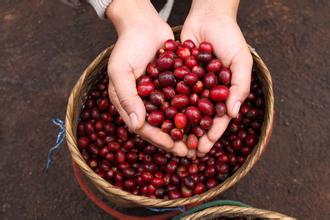
Recently, coffee beans have been revealed how to eat and use coffee beans correctly.
Caffeine refined coffee beans are the seeds in the coffee fruit. The coffee fruit is exposed to strong sunlight and the seeds are not removed until the shell is cracked. This method is called non-washing or natural drying. Another way is to put the coffee fruit in the sink, soak in water and soften and then remove the flesh. The washing type refining process is to put the harvested coffee fruit in the sink and soak it.

Good mellow natural washing coffee washing processing method step by step processing method
1 Skin/Pulp: the outermost layer of the coffee bean is covered with berry-like skin and pulp. In addition to the natural sun method, coffee beans treated by other methods must remove the skin and flesh within a few hours after picking. Similar to the cherries we often eat, the difference is that when we eat cherries, we mainly eat the pulp and peel of berries. For coffee.

Introduction to the difference of flavor description and taste of Esseyega Sheffikochel coffee beans G1 and G2
The difference between the flavor description of Yegashifichel G1 and G2 the taste of the coffee tree was planted by monks in Europe (a bit like Belgian monks growing wheat to brew beer) and was later transferred to farmers or co-operatives. Yejasuefei is actually constructed by surrounding coffee communities or cooperatives, including Edido Idido, ha, near Fog Valley Misty valley.

Introduction to the characteristics of Flavor description of Coffee Solar treatment by Natural Water washing
Ethiopian coffee beans introduce that the most sensible and practical way to understand the countries that produce coffee is to classify them into three major coffee growing areas in the world: Africa, Indonesia and Central and South America. Generally speaking, coffee grown in the vicinity has similar characteristics. If a particular bean is out of stock, the manufacturer and buyer of the comprehensive product will usually look for a nearby country.
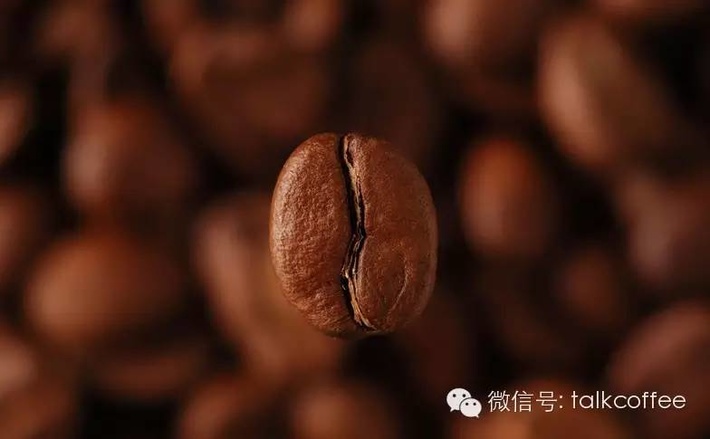
Fine coffee beans: two production methods of coffee beans and how to choose coffee beans
After harvest, peel, pulp, racing peel and silver peel should be removed before shipping and listing. There are two kinds of methods: drying (also known as natural or non-washing) and washing. Dry type: the method is relatively simple. First of all, spread the freshly harvested fruit on the sun field for a week or two until the fruit crackles and dries naturally. After that, the sheller will dry the fruit.

Coffee Bean Classification Standard Coffee Bean AA17 What is the judgment of defective beans and ten categories
Each producing country has its own classification and rating charts, which are also commonly used to set minimum standards for exports. It has the best flavor. The size and size distribution of coffee beans also have an impact on the optimization of roasting conditions. Coffee beans in coffee-producing countries are often determined by the following factors: 1. Altitude 2. Region 3. Plant variety 4. Method of preparation (

Coffee terminology unwashed coffee (Un-washed Coffee)
Unwashed coffee (Un-washed Coffee): or (natural), (naturally dried). Non-washing coffee: after the coffee fruit is naturally dried by the sun, the pulp and peel is removed by the sheller, and the quality of the coffee is unstable.

Coffee term: unwashed coffee (Un-washed Coffee)
Unwashed coffee (Un-washed Coffee): or (natural), (naturally dried). Non-washing coffee: after the coffee fruit is naturally dried by the sun, the pulp and peel is removed by the sheller, and the quality of the coffee is unstable.

Coffee terminology unwashed coffee (Un-washed Coffee)
Unwashed coffee (Un-washed Coffee): or (natural), (naturally dried). Non-washing coffee: after the coffee fruit is naturally dried by the sun, the pulp and peel is removed by the sheller, and the quality of the coffee is unstable.
Treatment of coffee beans: what is coffee washing?
There are three methods for the treatment of coffee beans: drying, washing, and semi-washing.